

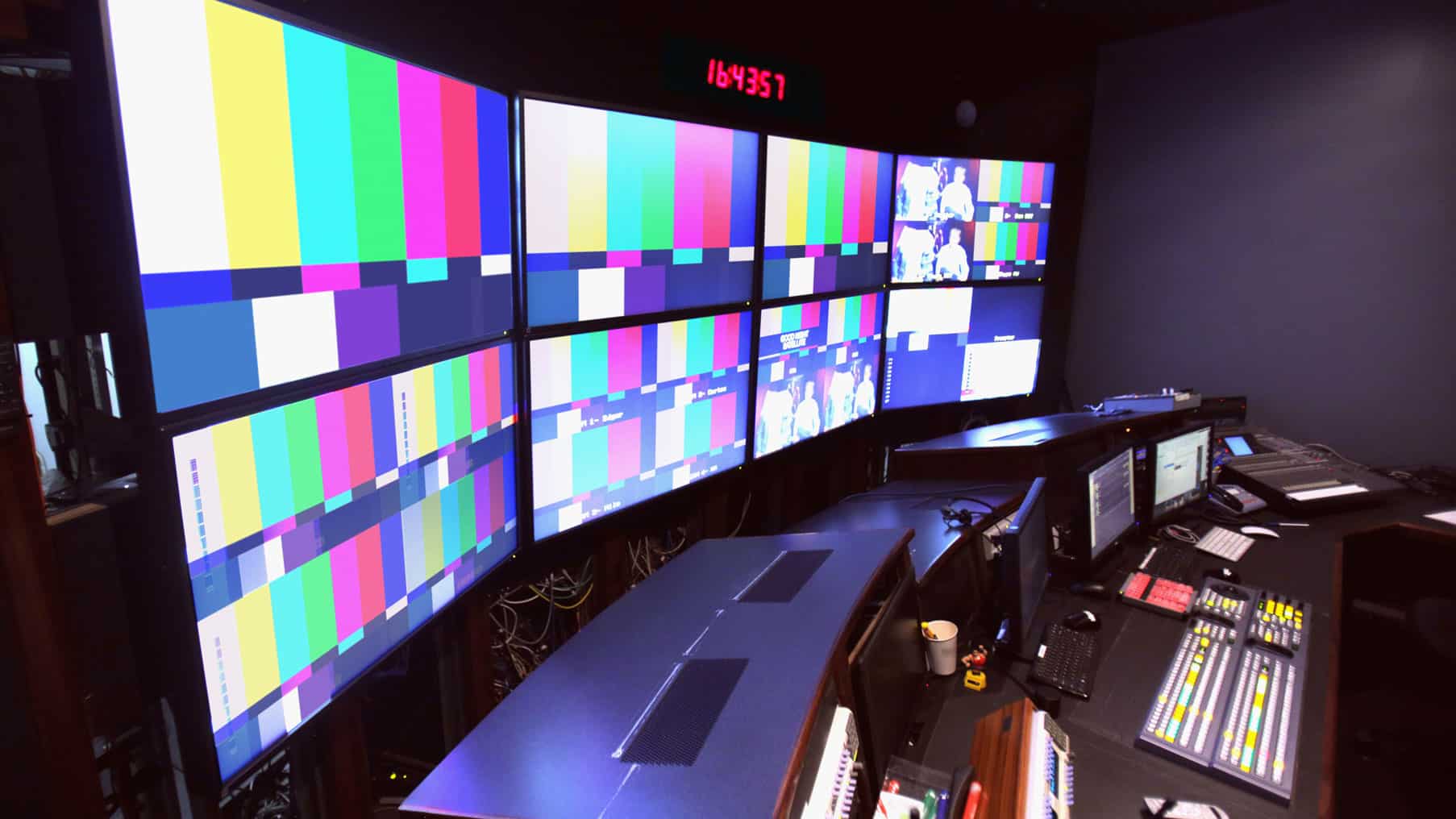
Even the smallest AV issue can cause a ripple effect of problems and complications that spread fast through the entire flow of operations. Classrooms lose instructional time, conference rooms turn into troubleshooting sessions, and healthcare spaces face communication delays. That’s exactly why more organizations are turning to AI for AV systems to stay ahead of trouble before it turns into downtime.
For teams responsible for uptime, the appeal is pretty obvious. AI can watch system behavior in real time, flag unusual patterns, and help identify issues before users even notice something is wrong. When used well, AV system AI gives technicians better visibility, faster response times, and a more proactive service strategy.
At Marshall Industries, we’ve spent decades helping organizations build and support dependable AV environments. And lately, one shift is getting a lot of attention for good reason: using AI to reduce AV downtime in a way that feels practical, not futuristic.
Why AV Downtime is So Disruptive
Most AV failures start small, quiet, and relatively harmless.
A microphone signal drops for a few seconds. A display takes longer than usual to respond. A conferencing system starts showing connection errors a little more often than it should. On their own, these moments can seem like a minor inconvenience, but when they start stacking, you know you have a larger issue brewing under the surface.
Intelligent detection is often where traditional maintenance can fall short. If your service model depends on waiting for something to fail, you’re already behind. Someone has to notice the problem, report it, explain it, and wait for a fix. In busy schools, offices, churches, and healthcare facilities, that delay can bring operations to a halt.
AI for AV systems changes that rhythm. Instead of reacting after a breakdown, teams can start spotting the early warning signs.
Monitoring Signals with AI: Catching the Little Problems Early
One of the most valuable uses of AV system AI is signal monitoring. AI tools can continuously observe performance data across connected equipment and look for changes that suggest something is off.
That might include:
- inconsistent audio levels
- rising device temperatures
- network instability
- intermittent connection loss
- unusual power behavior
- repeated communication errors between components
The real advantage is not that AI sees one issue. It’s that AI can recognize patterns across many small issues at once.
A technician might correct a failed display after a complaint comes in, but AI can detect and predict that failure before it happens by catching signs and patterns ahead of time. Maybe the display has been overheating for weeks, or the input handshake has become less stable over time. Or maybe the device has started dropping offline for short periods overnight. Those details turn guesswork into a much sharper troubleshooting process.
For facilities with multiple rooms or campus-wide AV setups, that level of visibility is invaluable.
Predicting Failures Before They Interrupt the Room
This is where the conversation gets especially interesting. AI is not only useful for monitoring what is happening now. It can also help predict what is likely to happen next.
Predictive maintenance works by analyzing historical and real-time data to identify trends tied to future failures. If a device starts behaving like other devices that failed before it, AI can raise a flag. That gives service teams a chance to step in early, schedule repairs, swap components, or adjust system settings before the problem becomes visible to end users.
And honestly, that changes the tone of service in a very real way.
Instead of hearing, “The room is down again,” you get ahead of the issue with a plan. Instead of scrambling before a board meeting or school assembly, you handle the problem during a controlled service window. That kind of shift saves time, protects productivity, and reduces the stress that usually comes with AV disruptions.
For organizations trying to reduce downtime with AI, predictive insight is often the difference between a minor service call and a full-blown interruption.
Proactive Service Makes AV Support More Strategic
AI does not replace skilled technicians. It makes their work sharper.
The best proactive service models combine intelligent monitoring with experienced human support. AI may surface the alert, but technicians still interpret the issue, confirm the cause, and recommend the right next step for the environment. That matters because no two AV systems are exactly alike. A solution that works in a corporate conference room may not fit a school campus or a healthcare facility.
That is one reason Marshall Industries takes a customized approach to AV integration and support. We know that reliable performance comes from more than good equipment. It comes from thoughtful design, careful implementation, and ongoing service that adapts to how your spaces are actually used.
With AI for AV systems, proactive service gets stronger in a few key ways:
- Issues can be identified earlier
- Maintenance can be scheduled more intelligently
- Support teams can spend less time reacting and more time improving system performance over the long haul.
That is better for technicians, end users, and the organizations relying on those systems every day.
What This Means for the Future of AI and AV Systems
The future of AV support is headed toward greater visibility, faster diagnosis, and fewer surprises. That doesn’t mean every system needs a flashy overhaul. In many cases, it means building smarter monitoring and service strategies around the systems you already rely on.
For decision-makers and AV professionals alike, the takeaway is simple: AI can reduce downtime, connect the dots, prioritize service, and keep systems running smoother with fewer interruptions.
At Marshall Industries, we believe technology should make life easier, not more chaotic. That’s why we continue to invest in smarter, user-friendly solutions that help clients stay ahead of problems and get more from their AV environments.
If you’re looking for a better way to reduce downtime with AI, we’re ready to help. Get a quote or call us today to talk through your AV system, your service needs, and what proactive support could look like for your team.